

Spain is gaining ground in digital payments, but the generation gap and the preference for cash are slowing down the adoption of mobile payments among merchants
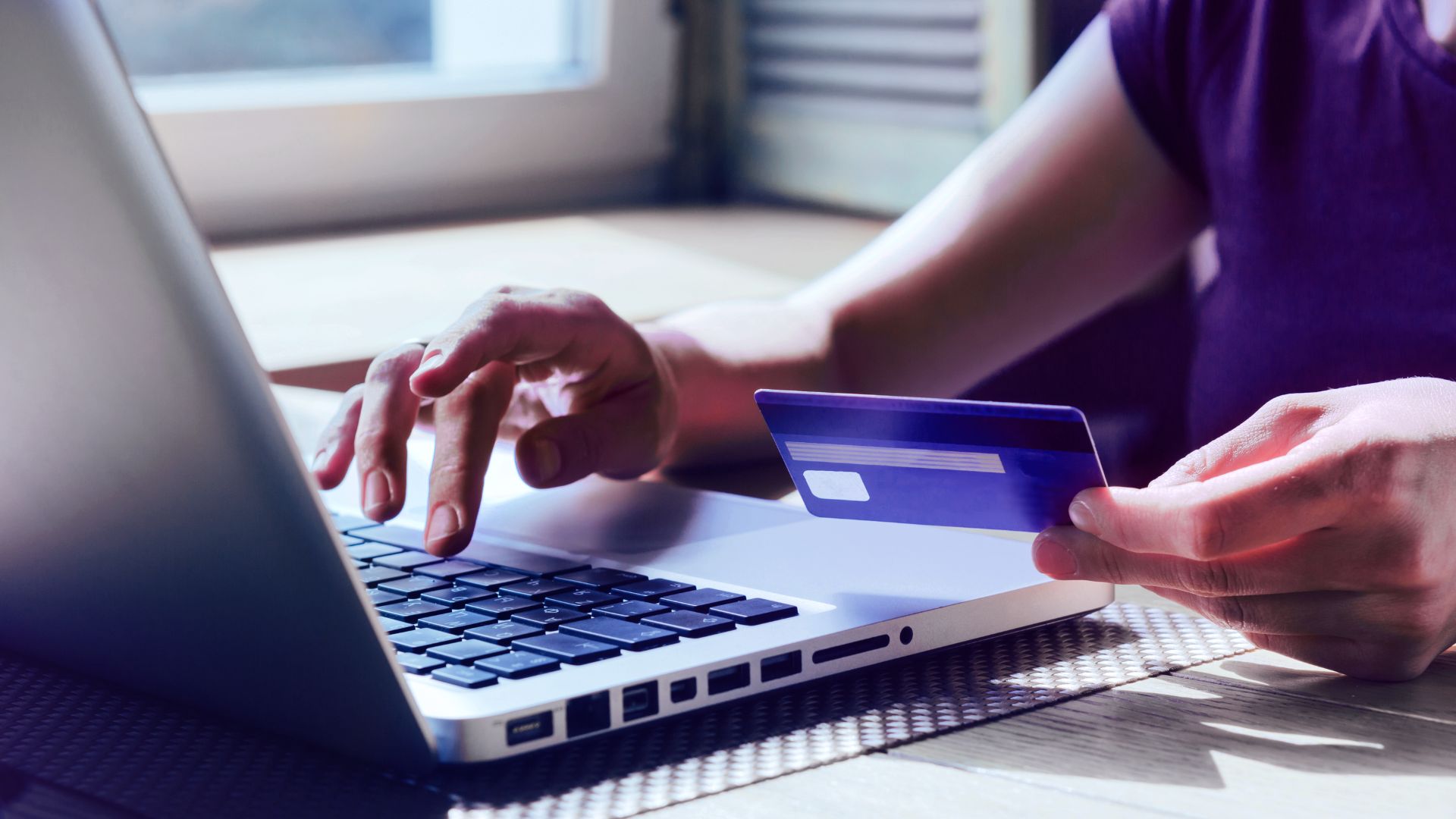
30% of e-commerce in Spain is now international, but only 38% of people with a bank account make purchases outside the European Union
Only 13% of those over 55 say they have ever been charged via smartphone by a retailer and 42% are unaware that this possibility exists, according to the study
Latin America is driving its adoption of new retail payment technologies, even ahead of Europe, especially in terms of options such as mobile payment and QR payment in local stores
The point of sale has become the epicenter of change in the payments industry, but a significant portion of retail still operates with traditional terminals that hamper agility and restrict the experience demanded by the digital consumer. This is revealed in a new report by Nuek, a technology company specializing in payment infrastructure, part of Minsait (Indra Group), which analyzes how smartphone payment collection and subscription-based models are emerging as new competitive levers in retail.
The study, entitled “Payment Acceptance in Retailers”, produced by Nuek in partnership with AFI (Analistas Financieros Internacionales), is based on over 5,200 surveys conducted in Spain, Argentina, Brazil, Chile, Colombia, Ecuador, Mexico, Peru, the Dominican Republic, Uruguay, Italy, Portugal and the United Kingdom. One of its main findings is the rapid progress made in mobile phone digital payments in Latin America and the persistent backwardness in Europe, especially in local stores.
Despite the technological potential, point-of-sale digitalization remains constrained by gaps in uptake, misaligned regulatory frameworks and a still fragmented ecosystem that prevents truly integrated experiences from being upscaled. The Nuek Report ranks Spain in a moderate position in terms of the adoption of new technologies, with a marked generation gap and a persistent preference for traditional methods.
Mobile payment collection: an accessible and efficient solution for the small retailer
In Spain, the adoption of SoftPOS technology (payment collection via mobile/tablet as a POS) is less widespread than in Latin America and other neighboring countries: while Portugal notably ranks above 50%, Spain hovers around 30-40%. Direct mobile payment is faster and cheaper than a physical terminal, but its uptake in Spain has been slow going. The main barrier is not a lack of user interest, but the slow transition of merchants to new forms of payment to replace the traditional POS terminal.
The generation gap has a direct influence on the adoption of new charging technologies according to the customer profile served by each retailer. Businesses with a younger clientèle are incorporating smart phone payment collection more easily, while those targeting older groups continue to prioritize physical terminals and cash. And the data backs this up: only 13% of those over 55 say that they have been charged for a purchase from these devices at some time, and 42% are unaware that this possibility even exists.
"For decades, the acceptance of digital payments has been constrained by a physical, rigid and costly model," says Javier Rey, CEO at Nuek. "What is happening today is a paradigm shift: the terminal function is integrated into the smartphone, merchants gain agility, and costs are drastically reduced. What was once a technological limitation is now becoming a way to activate a new operating model for businesses that had been left out of the digital transformation."
The report confirms that Latin America is at the forefront in the adoption of mobile payment solutions, with 62% of banking users making payments at merchants that operate with this technology, compared with 41% in Europe. The leap is by no means a minor one: this type of solution eliminates the need for physical terminals (POS), allowing small businesses and the self-employed to turn any cell phone or tablet into a payment point with contactless technology.
In Spain, QR has a marginal and limited role, as it is a technology that is more widespread in emerging markets. Here, the real transformation will come from solutions that combine mobile payment, biometrics and invisible experiences at the point of sale.
Subscriptions: recurrence makes its appearance in local commerce
The report also shows that subscription payment models are gaining ground in local commerce, especially among businesses seeking more stable forms of revenue and greater customer loyalty. These payments refer to an arrangement in which the consumer authorizes recurring charges (usually monthly or annually) to access a product or service. Penetration of the model is significantly higher in Latin America than in Europe, driven by younger consumers: 58% of users aged 18-34 in the region highlight speed as a key factor in choosing this arrangement.
"We are seeing how new payment formats are being taken up by young people as part of their digital routines. This is a huge opportunity to design solutions that match up with their expectations from the get go," says Javier Rey.
However, adoption in Europe is slower and more fragmented, hampered by an aging demographic base and a smaller presence of local services operating with this model. In Spain, the United Kingdom and Italy, less than a third of the banking population uses this scheme, far below the Latin American average.
In the Spanish case, subscription payments are concentrated among young people, with a clear preference for physical debit cards, while in other countries direct debits predominate. The main motivations are convenience, speed and security, over incentives such as discounts.
Borderless payments: digital is not always synonymous with global
Although e-commerce has grown steadily in Europe and Latin America, the cross-border channel has yet to establish itself as a convenient and reliable option for millions of users. Spain stands out with a 30% share of international e-commerce - well above the United Kingdom (15%) and close to Portugal (45%) and Italy (40%) - although only 38% of the banking population has shopped in merchants outside the European Union, one of the lowest levels among the countries analyzed.
The most common sticking points for Spanish consumers when it comes to shopping internationally are the added costs, a lack of exchange rate transparency, security concerns and the limited range of payment methods. Although security remains the most valued factor, speed and ease of use are gaining in importance among younger users.
The problem is not lack of demand, but the persistence of structural hurdles that erode the international payment experience. The report identifies five major obstacles: security concerns, high costs, delays in authorization, limited diversity of payment systems and lack of exchange rate transparency.
In Latin America, more than 70% of those who shop abroad have experienced some problem, compared with 50% in Europe. Most worryingly, young users (those who shop online the most) are also the ones who experience the most problems, reflecting a disconnect between digital expectations and the actual capabilities of the payments ecosystem.
Closing this gap requires an interoperable infrastructure capable of reducing friction and scaling truly global experiences, a goal that is still far off in most markets.