


Poland accelerates airspace modernisation with Indra
Poland trusts in Indra´s technology
European airspace is undergoing one of its most significant transformations in decades. The challenge of accommodating increasing air traffic, reducing emissions, and anticipating ever more complex scenarios has made digitalisation a strategic priority.
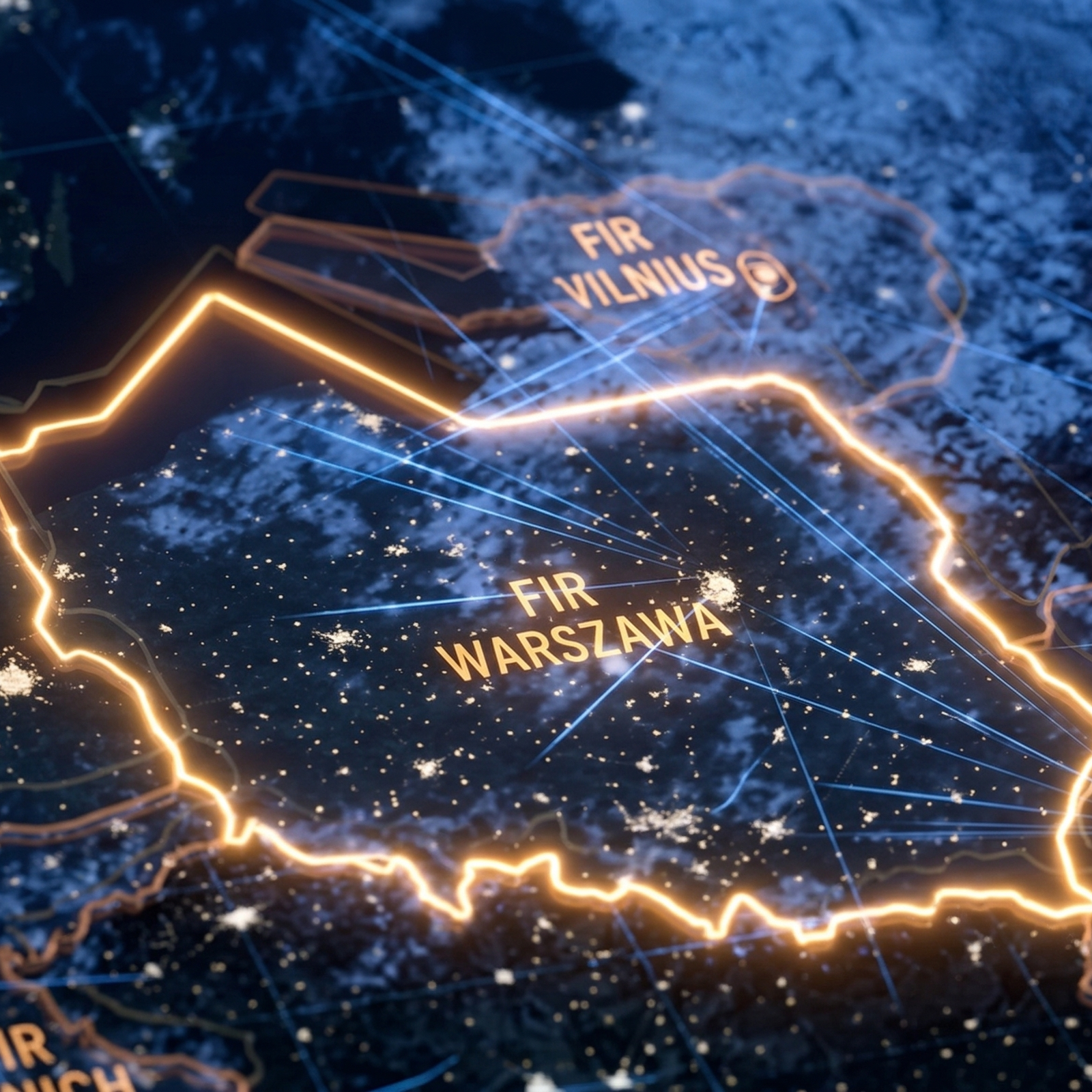
In this context, Poland —with a vast airspace of 334,000 square kilometres, one of the largest in Europe— has emerged as a key player in the advance towards the so-called Digital European Sky, driven by SESAR objectives. And it is doing so with a trusted and experienced partner it knows well: Indra Group.
A long-standing partnership gaining momentum in 2024
Through successive agreements over time, both organisations have strengthened a collaboration focused on a shared objective: transforming Poland’s air traffic management system in line with the most advanced European standards.
Far from acting as a mere supplier, Indra has maintained a permanent presence in the country and has supported PANSA in key digitalisation projects. Poland, in turn, has become one of the strategic markets where the deployment of new ATM (Air Traffic Management) technologies is progressing with the greatest ambition.
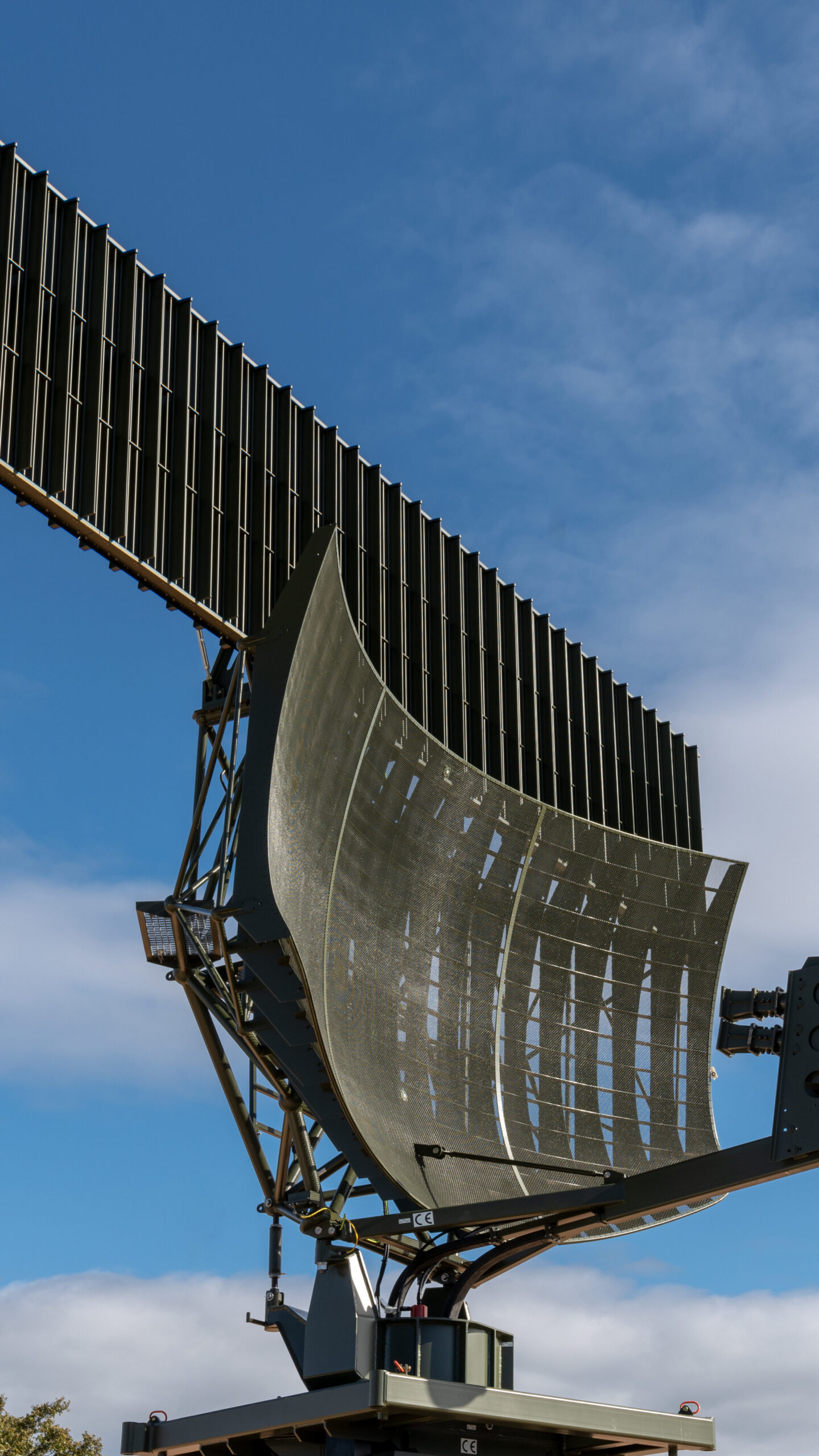
In parallel, in 2024 Indra signed one of the largest ground radar contracts tendered in Europe with the Polish Ministry of Defence, to supply up to 15 transportable radar systems for military air traffic control.

Automation and surveillance: renewing a national system
One of the cornerstones of this modernisation of Polish air traffic is the automation of control centres and towers distributed across the country. This is complemented by the expansion of surveillance radar systems that provide more accurate coverage of Polish airspace.
These changes go beyond technology alone: they represent a qualitative leap towards safer, more fluid and more adaptable operations. In an environment where air traffic demand continues to grow, automation is not a luxury, but a prerequisite for ensuring system continuity and resilience.
More precise planning for more efficient traffic
The transformation of Polish airspace goes far beyond upgrading equipment. PANSA and Indra have been deploying digital solutions that enable flight planning with a level of anticipation and detail that would have been unthinkable just a few years ago.
This has delivered tangible results:
- More efficient use of available routes
- The ability to accommodate higher traffic volumes without increasing delays
- Reduced fuel consumption and, consequently, lower CO₂ emissions.
iTEC SkyNex: the new technological backbone of Polish air traffic control
At the heart of this transformation lies iTEC SkyNex, the next-generation air traffic management system developed by the iTEC alliance, of which PANSA is a member and which it has chosen as the foundation for its immediate future.
The first major milestone will come in 2026, when the Poznań contingency centre adopts this advanced version, supported by:
- Virtualised data centres
- Private cloud infrastructure
- Enhanced automation tools
Direct benefits for airports, passengers and the environment
The combination of automation, enhanced surveillance and advanced planning is already translating into clear operational benefits:
- Increased capacity at Polish airports
- Fewer restrictions and smoother traffic flows
- Improved punctuality
- Lower emissions per flight
- And operations aligned with Europe’s climate strategy.
As a result, Poland has positioned itself among the European countries that are adopting digital airspace management models most rapidly. While modernisation continues, the country is already operating one of the most advanced ATM systems on the continent