

Indra leads the transformation of european air traffic management and iTEC with over €40 million in new SESAR innovation projects
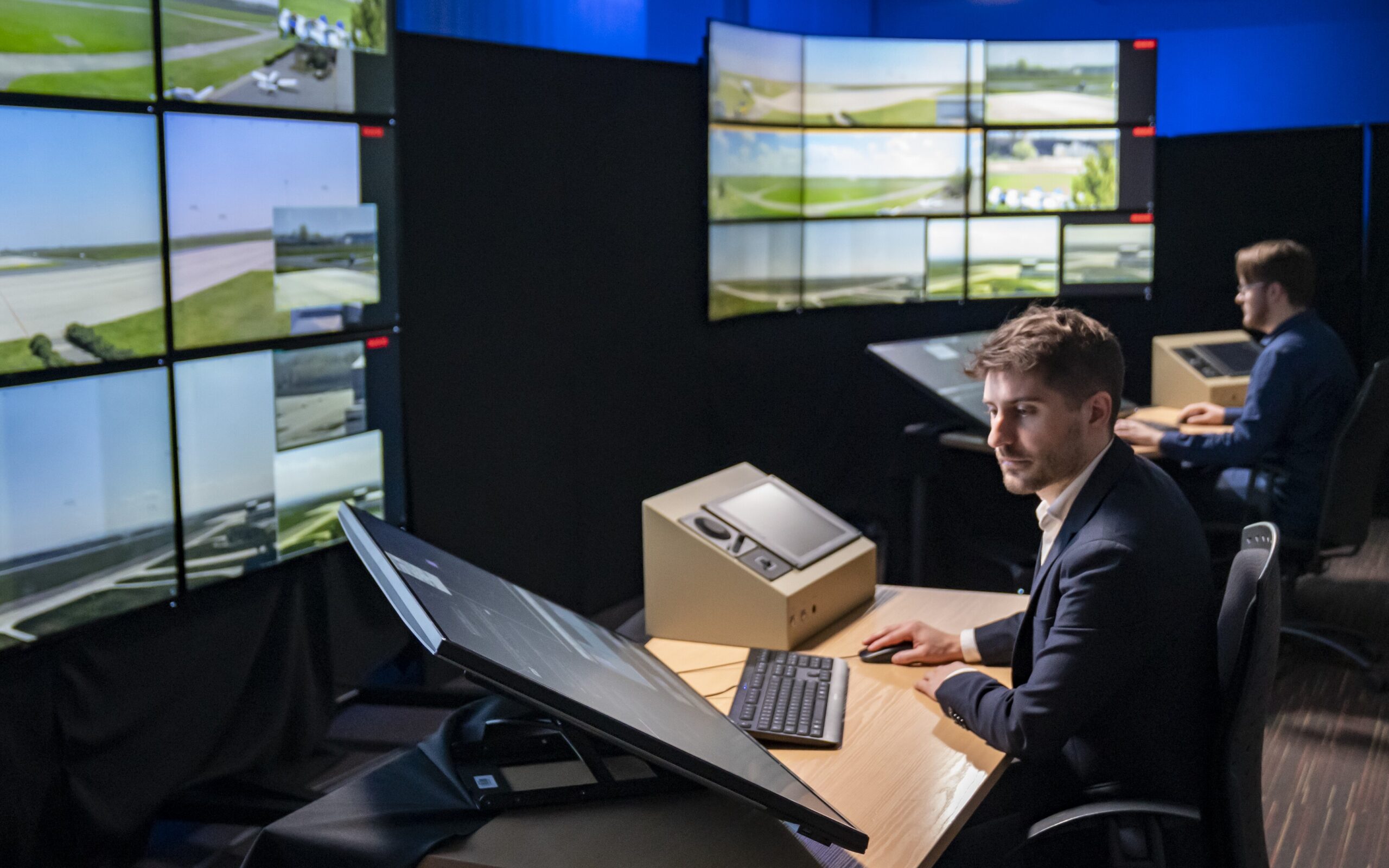
It coordinates ARTEMISA and NEURON projects, two initiatives under the European SESAR 3 Joint Undertaking programme aimed at developing next-generation platforms for en-route and airport air traffic management, with greater automation, interoperability and operational efficiency
Indra has completed 21 innovation projects under the first phase of SESAR 3, translating their research outcomes into practical solutions already integrated into operational air traffic management systems
As the technology partner of the iTEC Collaboration, Indra works alongside leading air navigation service providers from Europe and Canada to lay the foundations for Europe’s future air traffic management system through advanced, interoperable and standardised solutions
Indra Group is strengthening its position as one of the leading technology players in the transformation of European air traffic management, having secured over €40 million in new innovation projects under the SESAR (Single European Sky ATM Research 3) Joint Undertaking programme, the European initiative driving the development of technologies to advance towards the Digital European Sky.
This new portfolio builds on the experience Indra gained in phase 1 of SESAR 3, during which it completed 21 innovation projects and translated their outcomes into practical solutions already integrated into operational air traffic management systems. Building on this foundation, Indra will lead ARTEMISA and NEURON, two strategic and complementary initiatives that will help modernise en-route and terminal area control platforms and integrate advanced technologies to improve the efficiency, safety and sustainability of airport operations.
“The completion of 21 SESAR phase 1 projects and the launch of the new phase 2 projects, including ARTEMISA and NEURON, consolidate Indra’s role as one of the main drivers of the transformation of Europe’s air traffic management system,” said Oscar López Otero, Director of Innovation and iTEC Collaboration at Air Traffic in Indra. “These initiatives will enable us to further accelerate the digitalization, automation and resilience of our solutions, bringing innovation from the laboratory into live operations. Our applied innovation strategy is clear: to develop solutions that meet the sector’s needs and continue to lead the way in next-generation air traffic management systems.”
In Europe, Indra is laying the foundations for the future air traffic management system through applied innovation in collaboration with leading air navigation service providers DFS (Germany), ENAIRE (Spain), NATS (United Kingdom), LVNL (the Netherlands), PANSA (Poland), Avinor (Norway), Oro Navigacija (Lithuania) and NAV CANADA (Canada), which together constitute the iTEC Collaboration. As the collaboration’s technology partner, Indra works alongside them to develop advanced, interoperable and standardised solutions. These partners’ operational experience and shared vision, combined with Indra’s technological capabilities, are key to ensuring that these developments address the sector’s real needs.
The addition of the Canadian air navigation service provider to the iTEC Collaboration extends the reach of this collaboration beyond Europe and strengthens its ability to develop technologies that address shared needs on both sides of the Atlantic. The alliance thus help Europe not only modernise its airspace but also drive the development of solutions for the future of air traffic management with a global reach.
ARTEMISA and NEURON: the platforms of the future take shape
Coordinated by Indra, ARTEMISA will develop a new generation of en-route and terminal area air traffic management platforms, with the aim of achieving higher levels of automation and interoperability. The project will promote an open, modular, service-oriented architecture to facilitate the integration of new capabilities and secure information exchange between systems. It will also work towards Level 4 automation as defined by the European Union Aviation Safety Agency (EASA), enabling systems to make and execute decisions autonomously in routine operational situations, under human supervision and within defined conditions. These advances will contribute to the evolution of iTEC SkyNex, the iTEC Collaboration’s next-generation platform, and to the development of a more flexible, scalable and resilient air traffic management model.
Meanwhile, NEURON, led by Indra and underway since June 2026, will transform airport operations management through four integrated solutions: optimised aircraft taxiing, surface movement surveillance, visual intelligence for digital towers and collaborative airport operations planning. The combination of automation and artificial intelligence will enable more predictable and efficient operations, reduce fuel consumption and emissions, and enhance safety at airports. The company is also taking part in other projects addressing challenges such as improving route efficiency, strengthening system resilience, optimising airspace and reducing environmental impact (NET-TBO 2, ATC-TBO 2, GEESE 2, RAXUS).