

Indra unveils its new Prisma-S digital electronically scanned radar for naval vessels and advances in underwater surveillance at Euronaval
The company is premiering its 4D AESA air and surface surveillance radar at this international event, set to become the primary sensor for the next generation of European naval vessels and designed to support anti-air warfare, anti-submarine warfare and target designation
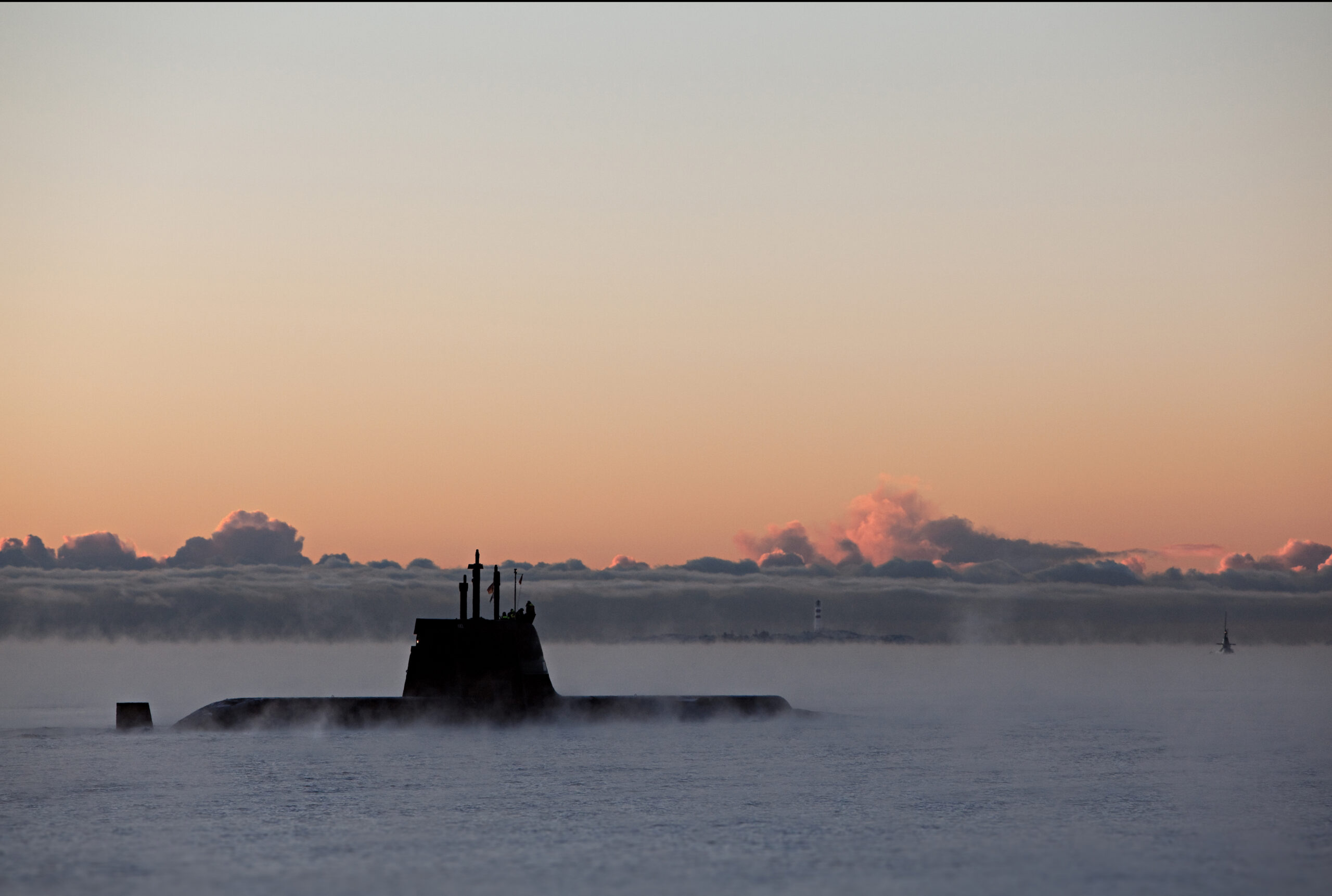
The world's leading navies rely on Indra's technology to equip their submarines, which are playing an increasingly important role in naval operations
Indra is attending as a leader in next-generation naval technologies, developing combat cloud-based multi-domain capabilities and solutions for monitoring underwater infrastructure, including gas pipelines and communications and power cables
Indra is unveiling its new Prisma-S Active Electronically Scanned Array (AESA) radar for the first time. Based on fully digital 4D AESA technology, it is designed to equip the next generation of European and allied naval vessels with the most advanced air and surface surveillance capabilities, essential for operating in today's environments. The company will also showcase its leadership in developing multi-domain capabilities based on the naval combat cloud, submarine systems and technologies to strengthen the protection of seabed infrastructure.
Indra's Prisma-S radar is the latest and most advanced naval radar developed by the company. This fully digital 4D multifunction radar can simultaneously support anti-air warfare, anti-submarine warfare and long-range target designation. In addition to range, azimuth (direction) and altitude data, the sensor provides target velocity information, enabling precise trajectory tracking and target designation. Designed to operate in congested electromagnetic environments, it can withstand potential adversary countermeasures. It is a critical system for ensuring European and allied superiority in increasingly complex theatres of operations.
The company is also attending this international event as a leader in the development of new multi-domain capabilities in Europe. It will present the latest advances in the development of the NIMBUS combat cloud, the first solution of its kind to demonstrate its performance in NATO naval exercises at REPMUS 26, enabling real-time connectivity and information sharing between ships, uncrewed surface vessels and Indra's TARSIS uncrewed aerial vehicle—a fixed-wing UAV with ISR capabilities.
During the event, Indra will also unveil its vision for seabed surveillance systems, a capability Europe needs to strengthen to protect gas pipelines, power and communications cables, and its port network. Finally, visitors to the company's stand will be able to see the full range of systems developed by Indra to enhance submarines' surveillance, connectivity and stealth capabilities. These include the iKeeper-iS20 low-probability-of-intercept navigation radar, with two operating modes: standard and continuous wave; the TSUB-40 satellite communications system, available in different versions supporting X, Ka or Ku bands and featuring three-axis pointing; the PEGASO NG electronic warfare system, which provides first-class situational awareness and intelligence; and the company's Identification Friend or Foe (IFF) system. All are optimised to deliver the best performance while meeting the constraints imposed by these vessels in terms of limited space, power consumption and resistance to high pressures when submerged.